Visionary engineering, continuous innovation, and enduring value.
A harmonious blend of engineering excellence, intentional design, and strategic foresight powering resilient digital products.
Verifiable expertise
Everything in writing
Same-day replies
Talk to the specialist
On this page
Seemercian
Seemerce Valor
Seemerce Lumen
Verifiable expertise
Direct contact
Web design
SEO & speed
Security
Brand identity
Verifiable expertise • Real experience
SeeTeam
A name and a face behind every project
ExpertiseExperienceCommunication
SeeTeamA name and a face behind every project
Meet the people who actually do your work
Behind every site and every SEO report we deliver stands a specialist with a name and a face. Knowing who does your work is part of its quality.
Verifiable expertise
Real experience
Direct communication
Seemercian
Being a Seemercian is a fresh angle on e-commerce — an angle drawn from the order that governs nature. It's one of our foundational principles, and we call it SeeSnail, because just like nature's hidden order — chaotic on the surface, exact underneath — we bring that same order to e-commerce.
We welcome every different perspective; there are only two groups we don't see eye to eye with: those who treat whatever is in their own mind as the only truth, and those who deny truth altogether because they see the path to it as endless. Both grow from the same root: closed eyes. We call these two groups the Unseeing, and we don't work with them.
We bring that same spirit to design, structure, and every other part of the work: we know the established principles, and we keep elevating them with creativity. We value soft skills just as highly — flexibility matters to us even more than technical expertise.
From anywhere in the world, fully remote, you can join us on this path. If you share this same lens, and keep moving toward a bigger truth without claiming arrival, we'd be glad to have you as a Seemercian beside us — that's our first principle.
Team members carry the name Seemercian: the people of the Seemerce ecosystem. What ties them together is a shared scientific mindset. Website design, hosting & domain infrastructure, SEO & content, advertising, and the freelance marketplace & market — these seven services are one path, and at the end of it, Seemercians together build your business's success.
Here, appearance and beliefs draw no lines; what matters is human authenticity, expertise, and commitment. Discrimination based on race, ethnicity, skin color, religion, gender, age, or disability has no place at Seemerce.
Our values, the way we see. Seemerce's values are the pillars every Seemercian builds their work on — not rules handed down from above, but the same order you find in the golden ratio φ. Every value's name begins with See, because at Seemerce every piece of work starts with seeing clearly; and holding to these four values is what turns very different people into one shared identity.
Seeam
Teamwork — Engineered Coordination
No one at Seemerce is an island; each of us is a piece of one circle, and everything big we ship is the outcome of deliberate coordination behind the scenes. We talk to each other openly and directly, look out for one another, and constructively challenge each other's ideas to make the output better.
Seesult
Result-Driven — Committed to Real Results
Starting the journey matters to us, but reaching the destination and creating value matters more. We fight through complexity, take personal responsibility for every dimension of the work, and steer the process until its impact on the business is tangible.
Seelient
Client-Centric — Crafting a Genuine Experience
A client's smile and peace of mind come first for us. We don't settle for surface-level work; we dig into the hidden layers of what people actually need, to build an experience that goes beyond an ordinary interaction — one that truly solves something real for them.
Seecellence
Passion for Excellence — A New Chamber Every Step
We never treat any version of our work as the final one. Like the nautilus, which edges a little closer to the golden ratio φ with every new chamber, we build each project one step more precise than the last — not out of dissatisfaction, but from the joy of seeing a better version of the same work, and a better version of ourselves.
Seemerce Lumen
From unhewn stone to shared awareness. Differences are what make things beautiful; but a beautiful structure also calls for a set of principles: soft skills, freedom from bias and dogma, and a real ability to work well with others — things each person must have reached the necessary maturity in. Working with Seemerce, and becoming a Seemercian, also requires alignment with those principles; a major structure can't be built from unhewn stones — only same-size, polished bricks, set side by side, make a stable structure.
Unhewn stones
Each has its own shape, size, and angle; stack them and there is no balance — the structure comes down.
Polished bricks
Same size, same alignment, working together; exactly what is expected of a Seemercian — and what makes a real structure possible.
That is why alignment with Seemerce's values is checked before any collaboration; not to limit people, but so that everyone standing side by side is genuinely part of the same structure. These values, too, aren't drawn from a single mind — they're inspired by the very order found in nature.
Seemerce Growth
A Seemercian's growth has three stages: Initiate, Fellow, and Mentor; each marks a level of team awareness and professional mastery — the same path described in From unhewn stone to shared awareness.
Seemercian Initiate
New to the team and yet to see its logic up close, the individual can find rules and process unnecessary and blame early setbacks on the system. This is the stage of searching and learning: asking, observing, and working alongside more experienced Seemercians.
Seemercian Fellow
Seeing the team's real patterns — from KPIs to the value chain — makes the early disorder make sense: it was never a lack of order, only a lack of awareness. Now the individual sees not just their own work but its effect across the whole chain, and makes decisions in step with the team.
Seemercian Mentor
The line between individual gain and the team's gain disappears, and the team's success becomes their own. Members no longer just stand side by side; together they become one body. A Mentor is the one who hands this way of seeing on to the next Initiates.
This isn't an org-chart rank; it describes a shift in perspective. As the Seemercian section puts it, Seemercians walk this path together so the Simorgh's flight — nothing other than the client's business succeeding — becomes real.
Seemercian Mentor
The Core Leadership Benchmark • The Catalyst of Agile Startup Growth
In Seemerce’s startup ecosystem, a Seemercian Mentor is far more than a conventional lead or manager; they are the catalyst where startup uncertainty, velocity, and complexity crystallize into clear, agile execution. Acting as an integrative bridge, the mentor harmonizes bold ideas, operational metrics, and team energy into a cohesive flow of sustainable scaling.
SeemLogos
Product Rigor & Human Empathy
The Quantum of Logos & Compassion
A Seemercian Mentor navigates at the intersection of mind and heart within a fast-paced startup. They blend sharp product analytics, engineering discipline, and business metrics with deep empathy and team psychology. Rapid release cycles never eclipse human connection; analytical rigor is balanced with active listening, coaching warmth, and authentic support for each team member’s growth.
SeemPolarity
Mastering Startup Dichotomies
The Integration of Polarities
Startup life is fueled by competing trade-offs: speed vs. quality, radical innovation vs. system stability, and lean experimentation vs. solid foundations. The mentor acts as a steady anchor—never suppressing friction, but transforming natural startup tensions into creative problem-solving, tighter synergy, and faster product momentum.
SeemHolo
Holographic Vision & Product Mission
The Holographic Mirror of Source
In a tight-knit startup, every micro-feature mirrors the macro-vision. The Seemercian Mentor is a clear mirror of the venture's core DNA and mission. They help each team member connect daily sprint tasks directly to the overarching business trajectory, ensuring everyone moves forward with absolute purpose and shared clarity.
The Core Benchmark
A Seemercian Mentor represents a rare benchmark in high-growth environments: serene inner clarity amidst startup hyper-velocity. By unifying product discipline with genuine empathy, they demonstrate how agile teams scale without burnout—powered by collective awareness and purposeful execution.
Seemerce Cyrus
Seemerce's founders are Iranian, so part of this outlook is inherited from a legacy that was written into Iranian history long before any modern charter — a method that pursued victory through respect and reasoning, not force, the very method that still runs through how Seemercians see things.
Sight Logic: In Seemercians' eyes, arguments should be won with logic and sound reasoning, not tricks; this is a red line for us. An aware person protects the very environment and community they're part of, always choosing long-term value over the fleeting gain of sophistry.
Sight Mastery: Through Seemercians' eyes, what truly counts is a person's real expertise; a résumé or a title only carries meaning when it comes paired with real skill.
Sight Openness: In Seemercians' eyes, being aligned with us means being able to hear an opposing view — even when personal interest is on the line. Someone who genuinely listens to and weighs what customers and others want walks the same path as us.
Sight Precision: In Seemercians' eyes, every task — however small — deserves full quality; think of the old proverb about the horse: a nail was missing from a shoe, the shoe was lost, the horse went lame, the rider never arrived, and that one small nail decided the battle. Holding to this principle turns a person into a polished brick that stands beside the others.
Sight Purpose: In Seemercians' eyes, real intelligence gets put toward building a better identity, better services, and ultimately a better society and world.
Sight Parity: Through Seemercians' eyes, everyone walks a path entirely their own, and all stand equal, from any angle; out of respect for that, we stay close to people who see the value in others' paths — because we're certain that even the youngest, least experienced person knows something the most experienced, oldest people have yet to learn.
Sight Learning: In Seemercians' eyes, when someone is seen to be ahead in knowledge, wealth, or any other field, the response isn't to push them aside with "we've been here longer" — it's to draw on that same knowledge and experience; being more senior is never a reason to turn away someone who has something more to teach.
Sight Order: Through Seemercians' eyes, a real order runs beneath the world's apparent disorder — the same order visible in the Fibonacci spiral, the golden number φ, and the seemingly chaotic decimals of π. We hold to that same view in the services we build; SeeFibonacci and SeePhi carry that principle into the spacing, framing, and proportions of every design.
This goes beyond a visual preference — it's a principle running behind every Seemerce page; see the details on Brand Identity.
Sight Justice: In Seemercians' eyes, the gap between a low-quality product and one built to last for years, with real care put into its details, is real and measurable. Justice, seen this way, means a reward proportional to the value each person actually creates. Someone who sees and honors that difference is aligned with Seemerce's standards.
Sight Truth: In Seemercians' eyes, truth is one; but the angle from which each mind sees it is unique — the foundations of existence stay constant, and what creates the difference is how each mind understands and retells them. We move past rigid molds, and give unconditional respect to every expression of that same one truth.
Sight Integrity: In Seemercians' eyes, working with someone calls for three traits: honesty, intelligence, and energy — and honesty is the foundation the other two stand on; intelligence and energy create real value only when paired with ethics.
Sight Growth: In Seemercians' eyes, age and experience gain value when spent moving in the right direction — like a number that only grows larger with a plus sign in front of it. Seemercians have crossed through the negatives, reached zero, and now move toward infinity on the positive side, growing the way the Fibonacci sequence grows; what matters to us is that direction, not the mere passage of time.
Sight Wealth: Through Seemercians' eyes, money deserves respect; not the kind claimed by someone who, out of false piety, calls wealth worthless, nor the kind chased by someone who'll do anything to get it — we choose the right path in between.
Sight Solution: In Seemercians' eyes, seeing a problem isn't a stopping point; it's a starting point — instead of drowning in it, they put their energy into fixing it. They know that a growth-oriented mindset makes both themselves and the society they live in better.
Sight Belonging: In Seemercians' eyes, the most important trait is knowing you're part of existence — neither the whole of it, nor nothing at all. Just as you are, you're a set of eyes for experiencing life, standing alongside other valuable, impactful eyes — much like a butterfly's wing, whose smallest flutter can stir a storm far from itself.
Sight Sincerity: In every Seemercian, there are laughing eyes and a beautiful action that spring from professional speech — speech that is itself rooted in right thinking.
Sight Courage: Seemercians know that bullying, left unchecked, only spreads — so they confront it from the very first sign; their eyes have seen the jungle, and what they're building instead is a culture.
Sight Horizon: Seemercians' eyes are set upon a bright horizon: we are among those who make this world fresh and new, and advance life toward progress and perfection.
Sight Joy: Seemercians' eyes see happiness in collective flourishing.
Sight Wisdom: Seemercians' eyes honor wisdom and freedom of choice: they listen with wisdom, reflect with a clear mind, and choose the best path for themselves.
Sight Humanity: Seemercians' eyes believe that knowledge and tools serve humanity: reading, writing, arithmetic, and engineering are important only if they serve to make us more human.
Sight Critique: Seemercians' eyes think critically; just as in The Matrix, Morpheus led a group set on overturning the order that had been established, and to recruit people to his own cause he sold the red pill as "awakening" and "truth," while he was in fact deceiving them and pulling them into a war they had not chosen. A leader, however certain and righteous they sound, is not telling the truth just because they claim to be "the one who wakes you." Seemercians do not trust a convincing tone; they weigh intent and evidence, even when what's promised is the truth.
Seemerce Antidote (Zero-Fallacy Standards):
In Seemercians' eyes, no architecture or campaign is built on the fragile foundation of logical fallacies. Sophistry may close a quick sale in the traditional market, but it ultimately burns client trust. We replace 25 pervasive digital fallacies with 25 transparent Seemercian standards, ensuring every technical decision is grounded in verifiable evidence:
Sight Substance — Substance Over Identity (vs. Ad Hominem): In Seemercians' eyes, critique belongs to code and architecture, not people. Instead of claiming "your previous developer was incompetent," we audit Lighthouse metrics and server logs to solve performance bottlenecks strictly through verifiable facts.
Sight Autonomy — Rigorous Need Over Popular Trends (vs. Appeal to Common Belief): In Seemercians' eyes, herd adoption is never proof of quality. Just because the market defaults to bloated templates and heavy plugins, we still architect lean, custom-engineered code that guarantees speed and long-term sustainability.
Sight Proof — Live Data Over Blind Faith (vs. Appeal to Faith): In Seemercians' eyes, "just have faith in us" has no place in SEO (Seearch). Every ranking gain is backed by live Google Search Console charts, real click-through rates, and verifiable performance dashboards.
Sight Metric — Explicit Metrics Over Vague Promises (vs. Ambiguity Fallacy): In Seemercians' eyes, slippery promises like "delivering an optimized platform" are unacceptable; our deliverables are defined with hard numbers: sub-2-second load times and a Lighthouse score above 90.
Sight Origin — Traceable Docs Over Hearsay (vs. Anonymous Authority): In Seemercians' eyes, rumors like "experts claim articles must exceed 3,000 words to rank" are ignored. Our authority is official Google Search Central guidelines and genuine user engagement metrics.
Sight Serenity — Calm Logic Over Fearmongering (vs. Argument by Emotive Language): In Seemercians' eyes, we never manipulate clients with panic like "upgrade to an enterprise cluster or your business collapses"; we audit real server loads and recommend infrastructure matched to actual volume.
Sight Vigilance — Proactive Auditing Over Blind Assumption (vs. Argument from Ignorance): In Seemercians' eyes, zero complaints do not prove zero defects. In maintenance (Seecure), automated error tracking and uptime sentinels scan continually to catch glitches long before users encounter them.
Sight Anchor — Independent Validation Over Circular Claims (vs. Begging the Question): In Seemercians' eyes, we never claim "this architecture is superior because our team engineered it." Technical excellence is validated by independent global benchmarks and W3C testing suites, not self-praise.
Sight Neutrality — Authentic User Cohorts Over Internal Testing (vs. Biased Sample Fallacy): In Seemercians' eyes, UX usability (Seesthetic) is never evaluated by testing internal teammates who already know the platform; we test with authentic target buyers to reveal genuine checkout friction.
Sight Distinctness — Precise Semantics Over Blurred Terms (vs. Equivocation): In Seemercians' eyes, "initial server ping" must never be confounded with "usable interactive load time." We measure and report Time to First Byte (TTFB) strictly apart from Largest Contentful Paint (LCP).
Sight Simplicity — Plain Language Over Jargon Clouds (vs. Failure to Elucidate): In Seemercians' eyes, engineering hurdles are never masked with complex buzzwords. If a page stalls, we state the truth plainly: "an uncompressed hero image blocked the DOM; converting it to WebP sped up rendering 4x."
Sight Spectrum — Modular Nuance Over False Binary (vs. False Dilemma): In Seemercians' eyes, clients are never coerced into "either sluggish off-the-shelf templates or million-dollar bespoke systems." The superior path is clean, modular engineering that adapts flexibly to budget and growth.
Sight Statistical Rigor — Aggregated Data Over Isolated Anecdotes (vs. Hasty Generalization): In Seemercians' eyes, two isolated opinions about a button color will never trigger a redesign; UI optimizations are dictated by statistical A/B test significance across thousands of live user journeys.
Sight Causality — Engineered Cause & Effect Over Miracles (vs. Magical Thinking): In Seemercians' eyes, silver-bullet "instant ranking secrets" are an illusion. Compounding digital growth is purely the product of sound technical foundations, high-utility content, and unrelenting funnel refinement.
Sight Contract — Contractual Discipline Over Shifting Goals (vs. Moving the Goalposts): In Seemercians' eyes, once agreed project milestones are met, definitions of success are never moved. Acceptance criteria are written upfront, and deliverable verification remains firmly bound to that scope.
Sight Merit — Direct Merit Over Slandering Competitors (vs. Poisoning the Well): In Seemercians' eyes, we never validate our craftsmanship by claiming "every other agency is incompetent." We lay out our architecture transparently and welcome scrutiny from any independent third-party engineer.
Sight Respect — Empowering Consultation Over Condescension (vs. Prejudicial Language): In Seemercians' eyes, if a business owner lacks familiarity with technical SEO, they are never patronized; we respectfully articulate the concrete revenue returns and conversion metrics behind each optimization.
Sight Diagnosis — Root-Cause Isolation Over False Causation (vs. Questionable Cause): In Seemercians' eyes, if sales dip during a seasonal holiday immediately after a deploy, we do not lazily blame the redesign; we isolate macroeconomic variables and cohort engagement to identify true causal drivers.
Sight Core — Primary Objective Over Flashy Distractions (vs. Red Herring): In Seemercians' eyes, when checkout latency drags down orders, we never distract clients with dazzling visual micro-animations; fixing database queries and payment speed always takes precedence.
Sight Utility — Ethical Utility Over Tool Demonization (vs. Reductio ad Hitlerum): In Seemercians' eyes, just because spammers misuse popups or email outreach doesn't taint the medium itself; we design unobtrusive, permission-based touchpoints that genuinely benefit user journeys.
Sight Proportion — Measured Impact Over Catastrophizing (vs. Slippery Slope): In Seemercians' eyes, we dismiss hyperbolic claims like "dropping one signup field will invite catastrophic database breaches"; we calculate real friction vs security, engineering frictionless safety.
Sight Standard — Universal Benchmarks Applied First to Ourselves (vs. Special Pleading): In Seemercians' eyes, the performance criteria we demand from clients are proven on ourselves first. Mandating sub-2-second speed means Seemerce’s own ecosystem must lead with pristine Lighthouse scores.
Sight Reception — Empathetic Listening Over Distorted Strawmen (vs. Strawman Fallacy): In Seemercians' eyes, when a client asks for "a cleaner, simpler aesthetic," we never caricature it as "so you want an empty page with zero functionality!"; we translate it into frictionless user paths.
Sight Fit — Contextual Architecture Over Mismatched Mimicry (vs. Weak Analogy): In Seemercians' eyes, comparing a specialized brand with a multi-million-SKU marketplace like Amazon is flawed. Information architecture and visual tone must be tailored directly to your distinct buyers.
Sight Grounding — Honest Realism Over Wishful Illusions (vs. Wishful Thinking): In Seemercians' eyes, we reject fantasies that traffic effortlessly surges simply by publishing a website. We are upfront: the platform is the gateway; compounding sales demand targeted SEO and relentless value delivery.
Seemerce Synergia
Fundamental Principles of Team Collaboration & Soft Skills
High-performing engineering culture is never an accident of temperament; it is built on deliberate awareness, psychological safety, and humane proportions. Here, we contrast 33 toxic traps of Unseeing against the 33 authentic synergy standards of Seemerci.
01
33
01 / 33
Seemerce Humanitas
Reading, writing, arithmetic, and engineering are meaningful only when they serve to make us more human. Growing up is not merely gaining years or mastering skills; true maturity is moving beyond self-absorbed posturing and defensive frowns, opening our eyes to reality, and reaching an open, wise, and generous perspective.
Immature Human
“Proud Posture & Frown”
Growth & Kindness
“The First Smile”
Seemerce
“Golden Ratio & Joyful Eyes”
Immature Human: Posturing & Defensive Frown
At first, the immature mind sees itself as the center of everything. Hiding behind artificial posturing and defensive frowns, it confuses ego with strength—lacking eyes to see the truth of others and mistaking kindness for weakness.
Growth & Kindness: Opening Eyes & The First Smile
As growth begins, tiny and curious eyes open to the world. We realize a reality exists far beyond our ego; the defensive frown softens into the beginnings of a kind, empathetic smile. Knowledge and ability now turn toward understanding others.
Fully Human (Seemerce): Growing Up Means Becoming Human
Here we reach the Seemerce mark: joyful eyes within the golden ratio φ — a reminder of that same truth, and the ultimate embodiment of wisdom, generosity, and collective flourishing.
Seemerce Oculus
Dialogue, with open eyes. For us, dialogue is not a contest; it is a collaborative quest to arrive at a vantage point we did not occupy before. Along this spectrum, two fatal errors anchor the extremes: dogmatic certainty that refuses to listen, and absolute cynicism that refuses to conclude. Our stance is the golden middle: listening deeply, weighing evidence objectively, and willingly changing our mind when a superior reason emerges.
Unseeing — Closed Certainty
“I already have the answer.”
Seemerce — Middle Awareness
“Truth exists, but belongs to no one.”
Unseeing — Absolute Denial
“There is no truth or falsehood.”
Unseeing — Closed Dogmatism
The door to listening is locked: answers precede questions, rendering dialogue impossible. Karl Popper identified this pathology as the foundation of the "closed society" — where new inquiry is treated as a threat rather than an opportunity for progress.
Seemerce — The Golden Middle
We listen attentively, weigh arguments rationally, and unhesitatingly revise our views when a superior reason emerges. This embodies David Bohm’s Dialogue: listening to understand rather than to defend; and Marshall Rosenberg’s Nonviolent Communication: placing inquiry before judgment.
Unseeing — Absolute Nihilism
The door to arrival is locked: when no conclusion is acknowledged as truer than another, discourse degenerates into noise. Jürgen Habermas framed this through "communicative rationality": dialogue possesses meaning only where truth is fundamentally approachable.
Seemerce Perspectiva
One number, two certainties. A figure lies on the floor between two people. The one standing above says, without a doubt, “6”; the one standing below says, just as sure, “9”. Both see correctly, and both see only part of it. Each person’s truth depends on where they stand; reality is one, and no single angle shows all of it.
Unseeing — Seen from above
“It is definitely a 6.”
Seemerce — The infinite view
“Truth depends on the angle; reality is one.”
Unseeing — Seen from below
“It is definitely a 9.”
Unseeing — The view from one place
From above, only a 6 can be seen. Thomas Nagel showed that every view is a view from somewhere, and every somewhere hides something. Here certainty is not a sign of knowing; it is a sign of not seeing the other side.
Seemerce — Many truths, one reality
Truths depend on the observer; reality does not. In Einstein’s special relativity, two observers measure time and length differently and both are right, yet the spacetime interval between two events is the same for everyone. Kant drew the same line between the phenomenon, the world as it appears to us, and the thing in itself. A Seemercian hears both views, puts the angles side by side, and comes closer to the fixed reality hidden in the infinity of angles.
Unseeing — The part taken for the whole
From below, only a 9 can be seen. Rumi’s “elephant in the dark” tells the same story: each person touched one part of the elephant and took it for the whole animal. “If each had held a candle,” Rumi says, “their words would no longer differ.”
Evolution of Mindset: From Primal Instinct to Collective Good
For the animal, survival is confined to immediate instinct; the unrefined mind substitutes power, fallacies, and distortion for truth; while the modern conscious mind realizes that sustainable progress and evolution reside in collective benefit, transparency, and a long-term horizon.
Unperceiving
“Acts purely on instinct.”
Unseeing
“Pursuing power over truth.”
Seemerce
“Collective benefit and long-term vision.”
Unperceiving: Pure Primal Instinct
Actions are immediate biological reactions for short-term survival, knowing neither good nor evil. Morality, societal cohesion, and long-term foresight play no role here.
Unseeing: The Blind & Undeveloped Mind
Those who prioritize short-term personal gain over truth — weaponizing fallacies, spinning narratives, and fabricating claims. They naively believe deception makes them winners. Our primary rule is non-collaboration; but if compelled to engage, we apply our 5-step protocol below to neutralize their harm.
Modern Conscious Mind: Seemerce
Fully recognizes that we all inhabit one shared, interconnected ecosystem. Replaces zero-sum friction with collective benefit, transparent truth, and a resilient long-term horizon — harmonizing individual talent with the infinite proportions of the golden ratio φ.
Seemerce Aptus
Find the setting where each person can do their best work.
A single test cannot reveal every strength. Seemercians look at the fit between a person, a task and the conditions around them. Before judging someone, we ask whether we have chosen the right challenge and provided a fair chance to learn.
A climbing test can hide a fish’s strengths.
In this analogy, asking a fish to climb a tree and calling it “stupid” confuses an unsuitable test with a lack of ability. First check what the task measures, what the person can do, and which setting lets those strengths become useful.
Find the right role; help the person grow.
We match roles to demonstrated skills, interests and the demands of the work. Practical trials, clear expectations, feedback and access to learning help us test that match. The aim is meaningful contribution and growth, with room to change roles as people develop—not a permanent label.
One swimming test cannot capture every ability.
In the same analogy, judging a monkey only by a swimming task for which it is unprepared can overlook climbing and other strengths. Difficulty with one task does not establish low intelligence or low human worth. A different task, better support or training may reveal a different result.
Seemerce Ordo
From the Jungle to Seemerce's Order. Where there is no law, it is a jungle; power alone dictates reality. One step forward comes structure: rules exist, yet arbitrary and rigid. Seemerce advances to organic order: no rule is arbitrary; every proportion and boundary derives from the golden ratio φ.
Lawless Jungle
“Power is its own law.”
Arbitrary Structure
“Rules exist; yet arbitrary.”
Seemerce
“Every rule stems from a proportional constant.”
Lawless Jungle: Chaos & Aggression
Where rules are absent, predatory power rules. Decisions shift with short-term self-interest, trust collapses, and energy is burned on mutual defense rather than forward progress.
Arbitrary Structure: Rigid Bureaucracy
Rules and hierarchies exist, but they are arbitrary, bureaucratic, and disconnected from natural dynamics. They slow down momentum without providing true organic alignment.
Seemerce Order: The Proportional Harmony (φ)
Our architecture is never arbitrary. It derives from the golden ratio φ that governs organic systems in nature — balancing discipline with agility, clarity with freedom, and individual focus with collective scale.
Seemerce Virtus
From Temptations to the Seemerce Lifestyle. Every person and every business meets a few familiar temptations on the way to growth. We don't deny them. We name each one, walk through it, and keep the lesson. What grows from that is a way of living: a tree with deep roots and open eyes.
SeeSlothSloth
SeeGluttonyGluttony
SeeLustLust
SeeGreedGreed
SeeEnvyEnvy
SeeWrathWrath
SeePridePride
SeemerceLifestyle
SeeSlothSloth“I’ll start tomorrow.”Today’s small stepWe split a big task into small steps and take the first one today. Growth begins with starting, not with getting ready.
SeeGluttonyGluttony“I want everything at once.”The right measureWe don’t take every project or add every feature. We keep a measure, so fewer things get done better.
SeeLustLust“That one looks better.”Staying with one pathWe don’t chase everything new and shiny. We stay with what we chose until it bears fruit.
SeeGreedGreed“The more, the better.”A fair shareWe share the gain with the people who built it. Value that stays with one person doesn’t last.
SeeEnvyEnvy“They are ahead of me.”Measuring against our own yesterdayWe take others as examples, not rivals. Anyone’s success shows what is possible.
SeeWrathWrath“I’ll answer right now.”Pause first, then answerBefore we answer, we take a breath. If the matter remains, we begin with a direct conversation: the first step of SeeTalk.
SeePridePride“I know best.”Listening, even at the topHowever far we go, we keep asking and listening. Open eyes make room for every point of view.
SeemerceLifestyle“Every temptation became a root to grow from.”The Seemerce lifestyle: a tree with open eyesThe seven lessons on this path are now our daily habits: starting early, keeping a measure, staying focused, sharing fairly, learning from others, staying calm and listening. The result is a tree with deep roots and fruit for everyone.
Seemerce Anima
From the Deception of Nietzsche’s Sister to the Seemerce Nietzsche Philosophy. As we grow bigger, we must become human · Seemerce Anima. Elisabeth Förster-Nietzsche edited her brother’s unpublished notes after his illness and bent them toward her own ideas. Words meant to free people were later used to justify harm. The problem was never the philosophy. It was the shallow reading.
Shallow reading
One sentence, no context
Someone takes a line out of a book, skips the questions around it, and turns it into a slogan. The idea gets heavier than its author meant, and the people who follow it pay the price.
Deep reading
The whole page, and the person behind it
We read the full text, ask what it was answering, and test it against people’s real lives before we act on it. An idea is a tool for understanding, not a permit for anything.
Seemercians are deep people. Shallow reading is what turns a book into a disaster, so we read slowly, ask questions and listen before we decide.
Seemerce Pax
Conflict Resolution. We treat every human being with inherent dignity; this is our baseline, not naivety. We also recognize the market as it is: some resist transparency, prioritize narrow self-interest over truth, employ fallacies, and resort to undermining and bad-faith friction. Our response is a structured ladder: proportionate, documented, and reversible. In Catalan, "Mercè" — the soul of Seemerce — signifies mercy and grace; our priority is always restoration.
Ethical Ceiling
Direct Dialogue (SeeTalk)
What we observeInitial misunderstanding, delay, or ambiguous wording; no evidence of malice.
How we respondDirect inquiry assuming good faith; listening deeply before forming any judgment.
Path to resolutionA straightforward clarification is sufficient; the matter is closed immediately.
Objective Documentation (SeeFile)
What we observeContradictory narratives, shifting promises, or unrecorded verbal revisions.
How we respondEverything is formalized in writing: dates, commitments, and deliverables — without exaggeration.
Path to resolutionA signed written alignment resets engagement back to baseline.
Formal Notice (SeeWarn)
What we observeRepeated logical fallacies, bad-faith spin, or unsubstantiated accusations.
How we respondA clear formal notice: what transpired, what remedy is required, and the definitive timeline — devoid of threats.
Path to resolutionRemediation within the notice window restores normal collaboration.
Orderly Termination (SeeClose)
What we observePatterns repeat and the formal cure period expires without constructive response.
How we respondWork ceases immediately, accounts are fairly settled, and deliverables handed over — with total professional composure.
Path to resolutionThe door is not permanently sealed; resumption requires a restructured, transparent framework.
Legal Recourse (SeeLaw)
What we observeConcrete material harm: fraud, contractual breach, intentional bad-faith documentation, or direct financial damages.
How we respondStrictly through formal legal channels backed by indisputable forensic proof; public statements strictly factual.
Path to resolutionFull restitution of damages and public retraction/rectification concludes the matter.
The Four Unbreakable Lines SeeThics
We never initiate escalation.Every response is strictly contingent and proportional to the other party's conduct, never preemptive.
We never fight with their weapons.Lies, bad-faith maneuvering, defamation, or deceit — even in self-defense — will never be used by Seemerce.
An error is not malice.People and partners are evaluated on repeated systemic patterns, never on an isolated lapse.
No escalation without evidence.Every assertion must be objectively verifiable and every escalation step defensible in any neutral court.
Seemercians have the capability; but ethics determines how far to go, never mere power.
Even when we try to work fairly, we can still face threats, deliberate provocation or people using their connections to avoid accountability. The damage is not always obvious at first. Someone may get ahead by undermining colleagues, while trust erodes and capable people leave. Seemerce Pax looks at how to respond in practice. Bullying, coordinated accusations, unfair questioning and shifting blame can hide fear or insecurity behind a show of strength. In these nine situations, Unseeing brings those behaviors into the conversation. Seemerci responds calmly, asks for clear evidence and sets out practical steps to protect people and keep responsibility clear.
“You can talk about rules all you want. I make the decisions here. If you keep challenging me, do not expect things to go smoothly for you.”
● Seemerce Pax • A clearer outlook, a stronger team
Seemerci
Questions assumptions • Welcomes feedback • Helps the team grow
“Let us hear each other out before getting defensive. We can question our own reactions too. When people can speak openly and learn from mistakes, the whole team gets stronger.”
Psychological Safety & SynergyAwareness: 11% — Moving Past Threats and Intimidation Toward Team Safety
Phase 1: Primitive Coercive Defenses
Psychological Safety & Synergy
Unseeing
Psychological Defense: Workplace bullying and intimidation: justifying toxic behavior by citing geopolitical wars while hiding behind crony connections
“Go ahead and complain. Senior management knows me, and HR will hear my side. You keep talking about rules and fairness as if that is how the world works. Look at countries fighting each other; power decides who wins. Being good at coding does not put you in charge. I did not get here by building websites. People who challenged me did not last long. That deadline stays, with the resources you have. Miss it, and we will have to discuss your performance. And stop bringing up pay; if you were committed, you would get on with the work. I used to think I could change things too. You learn. Keep pushing this, and you may find getting your next job harder than you expect.”
Toxic Workplace Trigger Sample
You missed the deadline again. Maybe if you cared more about the job, we would not be having this conversation.
Cognitive Distortion: Jungle Law Fallacy, False Analogy & Appeal to Force (Ad Baculum)
Cognitive Reframing ➔
Seemerci
Intervention Method: Logical Reframing: Distinguishing high-performing teams from battlefields and establishing safety
“We are discussing work, deadlines and agreed pay. What happens between countries does not justify threatening someone here. A team needs people who can raise a concern without fearing for their job. If there is a problem with my work, let us review specific examples against the agreed expectations. I will put the scope, resources, deadlines and this conversation in writing. If there is a pattern of obstruction, pressure through colleagues or attempts to provoke a reaction, that needs to be documented too. Handling that takes patience and a clear head. If the people reviewing the complaint are involved, I will ask for an independent review and use the appropriate formal or legal channels. Your connections do not resolve the issue; the facts still need an answer.”
Constructive Counter-Response Sample
Let us check where the work got held up, what was ready and what we were waiting on. Then we can agree on a deadline we can actually meet.
Seemerce Principle: Psychological Safety, Due Process & Neutralizing Toxic Power Abuse
Real-World Tactical Response
What to do if someone deliberately behaves this way?
1. Personal Vigilance & Staying Composed: Keep your guard up. Maintain strict professional boundaries, keep all interactions transparent, and stay calm against deliberate emotional baiting to keep discussions constructive.
2. Keep Tamper-Proof Off-Site Records: Don’t rely solely on internal systems that might be manipulated. Log every veiled threat, unusual message, and incident with dates in a secure personal cloud archive.
3. Map the Intermediaries: Bad actors rarely get their own hands dirty; they use proxies and colleagues. Patiently note the coordinated moves, mutual favors, and backchannel connections to reveal the full picture.
4. Strategically Countering Clout and Affiliations: If an individual claims unchallengeable backing or senior executive cover, never engage in personal feuds on their terms; boasting of informal influence is typically a psychological tactic to discourage questions. Focus strictly on verifiable workflows, contractual standards, and objective deliverables. When presented with structured facts, reputable organizations naturally prioritize institutional integrity.
5. Escalate Simultaneously via Independent & Legal Avenues: Once documentation is watertight, pursue formal action simultaneously through independent governance bodies (board of directors, external audit, and judicial/regulatory authorities outside their reach), eliminating any possibility of backchannel suppression.
Phase 1: Primitive Coercive Defenses
Generational Uplift & Mentorship
Unseeing
Psychological Defense: Reactive abuse and corporate mobbing: deliberately provoking someone to manufacture disciplinary evidence with peer collusion
“It was just a comment. If you cannot handle that, how will you handle pressure? Watch your tone; everyone can see how you are reacting. Keep this up and I will have to report it. Ask anyone in this room. They all saw you start the argument. Do you really think management will take your word over everyone else’s?”
Toxic Workplace Trigger Sample
Come to the meeting now. Everyone has concerns about your performance, and management wants an explanation.
Intervention Method: Grey Rock Technique: Absolute calm in the face of baiting and moving all communications to writing
“I am happy to discuss the work. Personal remarks do not help, and I will not get into a shouting match. If this is being reported, include the full conversation, including what happened before my response. Let us write down the specific concern and keep the discussion in the team channel. Several people repeating the same account does not settle it; the messages, sequence of events and any shared interests need a fair review by someone who was not involved.”
Constructive Counter-Response Sample
Please send me the specific concerns and examples before the meeting so I can review them and give you a useful answer.
Seemerce Principle: Emotional Composure Against Baiting, Anti-Mobbing & Relying on Written Records
Real-World Tactical Response
What to do if someone deliberately behaves this way?
1. Disarm with Calm, Short Responses (Grey Rock): Never react emotionally to snide remarks or personal jabs. Calm, brief, and completely neutral replies kill their momentum.
2. Spot the Shared Interests: Note the relationships and mutual interests among those who back each other up; proving personal bias discredits manufactured testimonies.
3. Put Everything in Writing: Avoid informal, closed-door one-on-ones. Route all tasks, feedback, and decisions through transparent team channels and written tickets.
4. Escalate Objectively with Facts: Skip emotional arguments; hand a clean, documented record of targeted incidents to impartial management.
Psychological Defense: Disparaging intellectual work through crude analogies to justify lone-wolf bottlenecks and knowledge hoarding
“You are making a few files sound like a major engineering project. Try doing a day of real manual work. I have been in this business longer than these people, and I can get it done myself. Explaining everything and coordinating with the team will only slow me down. Let me patch it, deliver it and get paid. Besides, if everyone knows how the system works, what do they need me for?”
Toxic Workplace Trigger Sample
Everyone says you are slowing us down. Just let me handle it myself.
Intervention Method: Cognitive Reframing: Understanding software systems complexity and scalable teamwork
“Every trade takes skill. Counting files tells us very little about the work behind a reliable system. We need to know how it handles load, protects data and recovers when something goes wrong. A quick patch may get us through today, but we should be clear about what it leaves for tomorrow. And if only you understand the system, every issue has to wait for you. Share the reasoning, document the important parts and help someone else maintain it. That makes your experience more valuable to the team.”
Constructive Counter-Response Sample
Which part is held up? Let us list what each task depends on and who can help, so everything does not have to go through one person.
Seemerce Principle: Systems Architecture, Scalability & Team Velocity
Real-World Tactical Response
What to do if someone deliberately behaves this way?
1. Make Knowledge Dependencies Obvious: Don’t let systems depend on a single person; expose single points of failure clearly on sprint boards.
2. Translate Technical Debt into Real Financial Risk: Show leadership how sloppy code and unverified patches directly lead to server crashes, customer churn, and lost revenue.
3. Enforce Automated Quality Checks: Use automated CI/CD pipelines to block code that lacks proper test coverage and peer reviews before it hits production.
Psychological Defense: Weaponized analytics: cherry-picking flattering numbers while gaslighting critics with "you aren't data-driven"
“Look at the sales chart. We beat the target. What more proof do you need? Returns and complaints are a separate discussion; do not bury a good result in details. You do not need the raw data, the dashboard is right there. If you still cannot see that this worked, maybe you are not as data-driven as you think.”
Toxic Workplace Trigger Sample
Sales are up. Leave the refunds out of this report; they will distract from the result.
Cognitive Distortion: Texas Sharpshooter Fallacy, Cherry-Picking & Data Gaslighting
Cognitive Reframing ➔
Seemerci
Intervention Method: Cognitive Reframing: Open data provenance, full-dataset analysis & independent audit
“The sales increase is good news. Now let us look at the same period’s refunds, customer churn and system errors. We also need to know where the figures came from and how they were calculated. A strong sales week cannot tell us on its own whether the product is reliable or customers will stay. Share the source and the full report, and we can check the result together. That includes the numbers that challenge our decision.”
Constructive Counter-Response Sample
Let us show sales, refunds and errors for the same period. Then we can see how much of that growth holds up.
Seemerce Principle: Data Integrity, Transparent Metrics & Honest Analysis
Real-World Tactical Response
What to do if someone deliberately behaves this way?
1. Ask for the Raw Source: Never accept cropped screenshots; ask for the raw queries and source data behind selective charts.
2. Look at Counter-Metrics: Balance short-term revenue numbers with return rates, customer churn, and system errors to see the real picture.
3. Document Decisions in Writing: Record decisions made on questionable data so responsibility is clear if things go south.
Psychological Defense: Subjective dogmatism & factional bias: prioritizing informal alliances over quality and labeling independent professionals as uncooperative
“The client will not notice the difference. Skip the extra checks; we need to protect the margin. Of course I expect proper quality when I pay for something myself, but we have a business to run here. Management has chosen a direction and I am backing it. I need you on board too. If you keep questioning every decision, people will start wondering whose side you are on.”
Toxic Workplace Trigger Sample
Promise it will all be done by Friday. Otherwise, I have to question your commitment.
Cognitive Distortion: False Dilemma ("With Us or Against Us"), Subjective Bias & Double Standards
Cognitive Reframing ➔
Seemerci
Intervention Method: Cognitive Reframing: Alignment based on craftsmanship, objective evaluation, and protecting intellectual independence
“I am raising this because I care about what we deliver. The client deserves the quality we agreed on, just as we expect when we buy something ourselves. If time or budget is tight, let us discuss the scope and risks openly. Questioning a technical decision does not mean I am against the team. Tell me which requirement you think is unnecessary and why; we can review it on that basis. Agreement with a manager cannot replace a quality check.”
Constructive Counter-Response Sample
I can give you an estimate this afternoon after checking the scope and our capacity. If Friday is fixed, we need to agree on what fits.
Seemerce Principle: Professional Autonomy, Craftsmanship Integrity & Objective Review
Real-World Tactical Response
What to do if someone deliberately behaves this way?
1. Center on Technical Criteria: Decline subjective alignment tests; firmly anchor discussions to technical specifications, verifiable metrics, and agreed deliverables.
2. Document Conflicts of Interest & Low Quality: When corners are cut or substandard work is pushed, document it with QA logs and defect reports.
3. Rely on Multi-Peer Sign-Offs: Don’t let a single individual or clique unilaterally approve or reject work; tie delivery to clear criteria verified by multiple peers.
Phase 3: Operational Friction & Ego Defensiveness
Radical Ownership & Accountability
Unseeing
Psychological Defense: Self-serving bias: taking credit for wins while blaming production failures on juniors or other teams
“It worked on my laptop. I finished my ticket, so I do not see why this is coming back to me. Something must have gone wrong in deployment; ask DevOps or whoever was on the release. I have other work to do. I cannot keep dropping everything to fix other people’s mistakes.”
Toxic Workplace Trigger Sample
That is a deployment issue. Our team is done; send it to the other team.
Cognitive Distortion: Fundamental Attribution Error, Scapegoating & "Works on My Machine" Excuse
Cognitive Reframing ➔
Seemerci
Intervention Method: Cognitive Reframing: Radical ownership from start to finish and blameless incident analysis
“It worked locally, but users are having a problem now. Let us get the service stable first. I will check my changes with DevOps and compare the logs and environments before we decide what caused it. Once things are back up, we can review what happened without blaming people, agree on the fixes and add checks to reduce the chance of a repeat. My part in the delivery includes helping it work in production.”
Constructive Counter-Response Sample
I will stay on this with the release team until the service is stable. Then we can agree on the follow-up fixes and who owns each one.
Seemerce Principle: Radical Ownership & Blameless Team Learning
Real-World Tactical Response
What to do if someone deliberately behaves this way?
1. Match Environments with Containers: Ensure local machines match production using containers so "works on my machine" is no longer valid.
2. Stay Responsible Until Live & Stable: Involve feature authors in release monitoring so ownership extends until users are happy.
3. Run Blameless Post-Mortems: Focus incident reviews strictly on system logs and fixes, never on pointing fingers.
Phase 3: Operational Friction & Ego Defensiveness
Engineering Rigor & Sustainable Velocity
Unseeing
Psychological Defense: Psychological reactance: viewing standards and testing as control mechanisms to excuse lazy shortcuts
“Tests, documentation, another review. When are we supposed to do the actual work? This whole process feels like a system for keeping people in line. I know what I am doing. The feature runs, so let me close the ticket and move on. If someone needs to change it later, they can work it out then. We will never get anywhere if we follow every rule.”
Toxic Workplace Trigger Sample
Skip the tests and review. Ship it now; we can clean it up later.
Cognitive Distortion: "The Matrix" Conspiracy Fallacy & Slapdash Delivery
Cognitive Reframing ➔
Seemerci
Intervention Method: Cognitive Reframing: Seeing discipline as the foundation of sustainable speed (Discipline = Velocity)
“If a step is wasting time, let us improve it. But we still need to check that the change works, does not break something else and can be maintained by the next person. That is what the tests, review and useful documentation are for. A closed ticket does not save time if the whole team is fixing it at three in the morning. We can keep the process lean and still protect the checks that help us release safely and keep moving.”
Constructive Counter-Response Sample
We can reduce the scope for this release. Let us keep the essential tests and review so the rush does not create a bigger delay.
What to do if someone deliberately behaves this way?
1. Automate Quality Gates: Put formatting, security checks, and automated tests into the pipeline so sloppy code gets caught before human review.
2. Protect Main Branches: Prevent direct commits to main branches; require passed tests and approvals from peers before merging.
3. Show the Cost of Technical Debt: Track the time spent fixing hurried, sloppy code to prove that shortcuts actually destroy long-term velocity.
Phase 3: Operational Friction & Ego Defensiveness
Egoless Engineering & Constructive Review
Unseeing
Psychological Defense: Identity fusion: taking technical critiques as personal attacks on self-worth
“Who left all these comments on my pull request? They have barely started and now they want to tell me how to design a system? I have been doing this for years. This is not about the code; someone is trying to make me look bad. I am not rewriting my work just because they want to prove a point.”
Toxic Workplace Trigger Sample
This many comments cannot be about the code. They clearly have a problem with me.
Cognitive Distortion: Ad Hominem Defense, Rejection Sensitivity & Ego Battles
Cognitive Reframing ➔
Seemerci
Intervention Method: Cognitive Reframing: Separating human identity from work artifacts and viewing review as teamwork
“Let us look at what the comments actually say. Experience matters, and we can all miss something. If a comment identifies a bug or a scaling risk, we should check it. If it is just a preference, we can discuss it against the team’s conventions. You can disagree with a suggestion and explain why. Reviewing the code together helps us catch problems before users do; it does not have to become a judgment on the person who wrote it.”
Constructive Counter-Response Sample
Good catch on the scaling issue. Let us run the benchmark and use the result to decide what needs changing.
What to do if someone deliberately behaves this way?
1. Offload Formatting to Linters: Let automated formatters catch syntax nitpicks so human reviews focus on architecture and functionality.
2. Ask Questions Instead of Declaring Judgments: Frame review comments as open technical questions (e.g., "How will this loop perform under high load?") to keep it constructive.
3. Set Review Deadlines & Escalations: Establish a 24-hour turnaround for reviews; if an impasse occurs, escalate it to the tech lead for a clean decision.
Psychological Defense: Defensive nihilism & authoritarian collectivism: using cosmic insignificance and "greater good" excuses to treat people as disposable cogs while labeling independent builders as "fanatics"
“You take all this talk about responsibility too seriously. We are a tiny speck in the universe; none of this matters that much. I am here to get paid, not worry about everyone’s future. If you still believe every decision needs an ethical debate, you are being dogmatic. And a company cannot run with everyone insisting on their own way. People need to fit in, follow the decision and stop making it about their individual rights. The people who look after themselves are the ones who get ahead.”
Toxic Workplace Trigger Sample
As long as the report looks good and we hit this month’s margin, I do not want to hear complaints from users or the team.
“We can disagree about what life means and still be responsible for how we treat people. Our decisions affect someone’s pay, workload and experience as a customer, however small Earth looks from space. People can coordinate their work while keeping the right to ask questions and think independently. Calling every disagreement dogmatic will not help us understand it. I want us to earn well too, in a way that customers can trust and the team can sustain. Let us look at who benefits from this decision, who bears the cost and whether it still makes sense beyond this month.”
Constructive Counter-Response Sample
Let us check what users are telling us and what this is costing the team. We need a result that still works after this month’s report.
Seemerce Principle: Finding Purpose in Work, Ethics & Compounding Value
Real-World Tactical Response
What to do if someone deliberately behaves this way?
1. Defend Individual Autonomy & Reject Forced Conformity: Never accept the excuse of "the greater good" to suppress individual rights or silence expert opinions; establish clear professional boundaries and demonstrate that constructive critique is vital for team resilience.
2. Measure by Objective Results, Not Blind Obedience: Don’t let authoritarian figures replace technical merit with blind compliance; anchor all evaluations strictly to measurable deliverables, transparent documentation, and quality code.
3. Neutralize Coercive Labeling & Protect Psychological Safety: Stay composed against accusations of "failing to conform" and let solid engineering results disprove their dogma; if bullying and suppression persist, document every breach and escalate through independent governance channels to keep the workplace culture open, innovative, and constructive.
⇋
People can change; these labels do not define them
Unseeing describes a pattern of behavior, not a fixed kind of person. Any of us can become defensive or try to control others when we feel stressed, afraid or insecure. We can also notice that reaction and choose a different response. These patterns do not belong to any one country or way of thinking; people and communities everywhere can fall into them or work to change them. Our belief is that, as we understand ourselves and what drives our behavior, we will choose the approach Seemerci represents: listening, taking responsibility and treating others with respect.
Building a better workplace for the next generation
After graduation, Mahdi Parto had the chance to continue his path abroad. He chose to stay and put his skills to work in his own community. For two years, he worked on demanding projects without expecting financial compensation, often starting early in the morning and continuing late into the night.
He later worked in financial services and then in large e-commerce companies. Alongside the technical experience, he saw how workplace culture, respect for people and organizational decisions affect everyday work. Those experiences eventually led him to choose an independent path.
In the years that followed, he kept looking for opportunities to work and contribute in his country. Despite developing expertise across more than 33 areas of networking, software and web infrastructure, he repeatedly ran into barriers within the working environment that skill and effort alone could not resolve. It was a difficult period, with long stretches of isolation, uncertainty and persistence.
Nearly five years away from the main professional hubs, facing both work and personal challenges, gave him time to rethink trust, resilience and hope. As he came to understand the situation more clearly, he chose to focus on building something useful and leaving room for a fresh start. For him, the response to those experiences was to create value and make things more transparent, rather than let disappointment decide what came next.
These experiences shaped a clear belief: a workplace grows when it recognizes the skill people have built through years of practice and learning. When roles and opportunities reflect real ability, people have more reason to trust the organization, stay motivated and help it improve.
That also means respecting achievements people have worked for and choosing people for roles they can genuinely fulfill. A title without the ability to support it can erode both others’ trust and a person’s own sense of integrity and self-respect. Progress needs that connection between responsibility and competence.
He came out of those years with a clearer view of the workplace he wanted to build: one where talent is recognized, people’s work is respected and the next generation can grow without facing the same exhausting barriers. That experience helped shape Seemerce’s outlook. The aim is to build technology alongside a responsible working culture, where people are treated with dignity and can speak, ask questions and do their work without fear.
Mahdi Parto’s 2021 Resume
God’s See: Analytical Pyramid
Analytical Pyramid: From Events to Fair Review
4. Accountability & Remedies
Wider View (Review & Improvement)
3. Context & Mechanisms
Structural View (Independent Review)
2. Dignity & Consent
Shared Working Standards
1. Events & Experience
Base (Observable Events)
Seemerce Concordia
From inner peace to a shared world. A Seemercian begins by finding balance within, carries it into family and friendships, then into community and the world. Concordia means harmony: four widening circles, one continuous practice of care.
Peace begins within
A Seemercian first makes peace with themselves: recognizing emotions, accepting limits and taking responsibility for their choices. Self-awareness and self-compassion create room for a considered response, even when life feels unsettled.
Our practice: pause, name the feeling, choose the response.
Peace becomes a relationship
That inner balance reaches the people closest to us. A Seemercian makes time for family and friends, listens without rushing to judge, respects boundaries and repairs mistakes. Peace grows through mutual care and honest conversation.
Our practice: listen fully, speak clearly, make room for each other.
Care becomes a shared responsibility
The circle widens to colleagues, neighbors and people we have yet to meet. A Seemercian respects differences, cooperates fairly and builds trust through useful work. Practicing kindness can strengthen our sense of connection, even with strangers. We bring that care into everyday encounters, so personal success also creates value for the community.
Our circles of care connect the self, loved ones, community and humanity. As the circle widens, we bring distant lives closer to our concern and extend that care to nature and future generations. A Seemercian sees the wider effects of everyday choices: respecting other cultures, using resources thoughtfully and building for lasting value. Inner peace becomes a commitment to our shared world.
Our practice: think beyond borders, care for the future, act today.
These circles describe our ethos, not a claim of perfection. We keep practicing all four together; peace includes honest disagreement, healthy boundaries and the courage to repair.
Seemerce Origo
Neither a Copy, nor a Reinvented Wheel. Some foundational problems have already been solved by the world; rebuilding them from scratch squanders capital and delays essential business outcomes. Conversely, cloning another brand’s identity is empty mimicry; it never truly belongs to you. Our position is the exact geometric lens where proven open standards intersect with bespoke proprietary innovation.
Blind CopyingCloning existing work verbatim; it might be fast, but it lacks authentic fit and will never grant you an enduring moat.
The Seemerce Sweet SpotWe harness proven battle-tested foundations — open standards, robust protocols, and scalable architecture — and craft atop them an authentic proprietary moat tailored strictly to your mission.
Reinventing from ScratchRebuilding commodity wheels that the world has already perfected; seemingly heroic, yet it consumes capital that should be driving actual market impact.
We borrow the wheel; we engineer the road ourselves.
Seemerce Empathia
Soft Skills, Alongside Expertise That Delivers. Technical knowledge alone does not forge a Seemercian; the capacity for active listening, candid collaboration, and constructive conflict management carries equal weight. These human capabilities are precisely what transmute individual engineering capability into tangible, enduring impact for the client’s enterprise.
Siloed Hard Skills
“Deep code, zero human alignment.”
Seemerce Synergy
“Empathy × High-Output Mastery.”
All Talk, No Output
“Pleasant words, zero execution.”
Siloed Tech: The Brilliant Jerk Fallacy
Technical mastery without active listening leads to building solutions for the wrong problems. Inability to navigate team dynamics and client context results in friction, rework, and unadopted deliveries.
The Seemerce Standard: EQ × IQ
We treat communication and empathy as foundational engineering disciplines. Listening deeply to understand the true business problem, then applying uncompromised technical rigor to build solutions that demonstrably move the client’s bottom line.
All Talk, No Output: Superficial Consensus
Pleasant communication without execution rigor creates endless consensus and zero tangible software. Charisma cannot compensate for missing technical capability when systems need to scale in production.
Human-Centric Soft Skills
Without transparent communication, active listening, and sincere empathy, even the most capable engineer can't align with the team or truly grasp what the client needs.
High-Output Engineering Excellence
Technical knowledge holds value only when it translates into measurable business impact — solutions that perform reliably and generate real advantage, not theoretical vanity.
Technical mastery is our instrument; soft skills guide its direction; tangible business output is the measure of both.
Seemerce Cursus
The Seven Labors of Becoming a Seemercian. Modeled after Rostam’s legendary 7 Khans in the Shahnameh, our path is not a conventional hiring ladder. In the epic, the labors were undertaken to cure blindness and restore light to the eyes. Here, traversing the 7 Khans conquers rigid preconceptions and Unseeing — leading to the living tree of the Seemerce lifestyle.
SeeWakeVigilance
SeeEndureResilience
SeeDragonHidden Debt
SeeTruthIntegrity
SeeAllyAlliance
SeeCourageCourage
SeeSightRestored Sight
SeemercianLifestyle
SeeWakeVigilanceLabor 1: Rakhsh & The Lion“I move faster when I do it all alone.”Trusting the collective backboneRakhsh awakened before Rostam because a trusted companion is our second pair of eyes. At Seemerce, individual brilliance is honored, but project survival rests on mutual trust. If you ride alone, the first ambush halts the journey. Becoming a Seemercian starts with shared vigilance.
SeeEndureResilienceLabor 2: The Arid Desert“There is no path in this barren desert; let’s quit.”Composure in ambiguity and tracing subtle signalsEvery venture begins as a desert of scarce data and uncertainty. Rostam withstood the thirst, carefully reading subtle nature to discover the hidden spring. A Seemercian never withers under pressure; they stay calm, trace logic, and uncover the wellspring of solutions.
SeeDragonHidden DebtLabor 3: The Shadow Dragon“What remains unseen behind the surface won’t harm us.”Shining light into the darkest layersThe dragons of modern engineering are hidden technical debt and unverified assumptions lurking in the dark. A Seemercian sweeps nothing under the rug; they cast light into obscurity and dismantle problems at their root before crisis strikes.
SeeTruthIntegrityLabor 4: The Enchantress“It looks shiny and modern; it must work wonders.”Substance and integrity over superficial dazzleThe enchantress arrived in gold and song, but speaking truth stripped away the illusion. The market is saturated with noisy hype and hollow buzzwords. We reject dazzle without utility; a Seemercian discerns authentic value over transient glamour.
SeeAllyAllianceLabor 5: Subduing Olad“Anyone who disagrees with me is an adversary.”Candid dialogue and purpose-driven allianceRostam did not destroy Olad; he turned him into his most valued guide. In Seemerce, diverse viewpoints are not hostility—they are light from a fresh vantage. A Seemercian turns harsh friction into a calibrated compass through open, transparent discourse.
SeeCourageCourageLabor 6: Arzhang Div“This barrier is insurmountable; legacy setups cannot change.”Engineering courage and redrawing boundariesArzhang Div relied on intimidation and fear. Entrenched monopolies look formidable only while observed from afar. A Seemercian charges straight into complexity, turning perceived impossibilities into elegant, calculated architecture.
SeeSightRestored SightLabor 7: The White Demon & Restoring Sight“Truth is only what fits within my assumptions.”Unclouded eyes, conquering Unseeing, and restoring visionRostam plunged into the deepest cavern to restore sight to blinded eyes. The ultimate labor of becoming a Seemercian is transcending rigid assumptions—defeating Unseeing. When clarity touches the vision, darkness lifts, and our eyes open to full reality.
SeemercianLifestyleDestination: The Seemerce Lifestyle“Seven labors transcended; our eyes are now wide open to build.”The Seemerce lifestyle: deep roots and infinite visionWhoever traverses these seven labors embodies the Seemercian spirit: fusing technical excellence with humility, courage, and open vision. The result is a thriving tree rooted in the Golden Ratio φ, delivering enduring value to people and businesses alike.
A Seemercian grows in two directions: what others see is built on a layer no one sees. Five steps, from skill to the deepest lens.
SeenUnseen
Step 1 of 5SkillsWhat others see in a SeemercianPracticeThe channel that makes it possibleSkill is the last thing seen in a Seemercian -- not the first thing built. The world encounters only the final fruit; but fruit without roots cannot hold. Practice is those roots -- the channel a Seemercian keeps open so that what lives inside can find its way out.
Step 2 of 5BehaviorWhat others observeHabitsTwo forces that shape itA Seemercian's behavior flows from two forces that must both be present: the pull of genuine desire that draws them toward something, and the discipline of repetition that gives it form. Desire without discipline scatters. Discipline without desire goes dry. Seemercians who hold both act in ways that are alive and lasting.
Step 3 of 5ReputationWhat radiates from a SeemercianCharacterThe balance that builds itA Seemercian's reputation is what radiates from their center -- not from claims, not from performance. But that center must be fed from two opposing directions: from generosity that expands and opens, and from discipline that holds and defines. Only when these two meet in balance does real reputation take form.
Step 4 of 5DecisionThe flash a Seemercian acts onValuesThe vessel that gives it meaningA Seemercian's decisions arrive like a flash -- sudden, whole, already certain. But that flash only illuminates what the vessel of values has already prepared. Seemercians build values not as rules, but as depth of understanding: the container that gives every decision its meaning before it is even made.
Step 5 of 5OutlookWhat others hear and senseLensThe layer before any thoughtA Seemercian's lens is the layer that exists before any thought -- before any judgment, before any choice, before anything is even seen. It cannot be built directly; it can only be cleared. Everything a Seemercian brings into the world flows from there -- from a light that has no beginning and no end. The sky is written in the ground.
Seemerce Aequitas
Fair rewards; room for different strengths
Fairness begins with equal dignity and fair opportunity, while recognising differences in contribution. Seemercians respect the diversity found in nature and among people; we assess the value created through clear evidence, quality and responsibility.
A promise of equality needs transparent rules.
The language of equality does not by itself guarantee fairness. When decisions depend on opaque discretion, established status, personal closeness or privileged access can outweigh actual contribution—even while payments appear equal. The safeguard is transparent criteria, accountable decisions and a meaningful right to challenge them. This is a risk of weak governance, not an inevitable outcome of equal pay.
A central question is what equality means: equal rights and fair opportunity, or identical outcomes despite different contributions? When identical outcomes become an overriding target, a system can narrow visible differences by restricting a stronger contributor rather than improving others’ opportunities. This is levelling down: a smaller gap achieved without making anyone better off. It is a possible failure mode, not the only route to equality or an inevitable consequence of equal pay.
Laboratory research on status competition has also observed that some participants accept a personal cost to reduce another person’s recorded performance. Where relative position matters more than shared progress and accountability is weak, undermining a colleague can become an attractive shortcut.
Talent and demonstrated ability are our criteria.
For Seemercians, opportunities, responsibilities and rewards should depend on relevant talent and demonstrated ability—not family ties, personal connections or length of service alone. We assess capability through work samples, quality, responsibility, collaboration and sustained contribution. Fair access to learning, a secure base and reviewable decisions help people show and develop their strengths. Ability is not a measure of human dignity.
Even networked or low-hierarchy organisations need clear responsibilities and decision rights. The question is how authority is assigned: is it earned through longer tenure and a larger circle of supporters, or through evidence of suitability for the responsibility? Our preference is relevant expertise, sound judgement, coordination skills, an ethical record and accountable results. Experience matters when it develops those qualities; tenure or a following alone is not sufficient.
Experiences across countries in both East and West offer useful comparisons. Look beyond labels: how openly can people enter a role, how is competence assessed, who reviews decisions, and what outcomes follow? Geography or a slogan alone does not establish which institutions work better; comparisons need explicit indicators, context and evidence.
These are principles for evaluating people and decisions, not a claim that any economic system automatically delivers fairness. Clear rules, fair opportunity and independent review matter in every organisation.
Seemerce Hexa
Seemerce's six service lines. Our team structure follows the shape of the work, not an org chart; each service has one focused team and one clear responsibility.
Seesthetic
UI design, visual identity, and user experience.
Seengine
Software engineering and code infrastructure.
Seearch
SEO, organic growth, and search visibility.
Seecho
Content, branding, and storytelling.
Seecure
Technical support, maintenance, and stability.
Seenrich
Sales, consulting, and business development.
φ
Seemerce Merit
Golden Meritocracy System · GMS
A transparent framework for choosing leaders, reviewing responsibility and recognising growth. Relevant expertise, team development and accountable results carry more weight than tenure or personal connections. Here is how the proposed model works, step by step.
SeeAim
Set the standards
With SeeAim, the team agrees each quarter’s goals, quality standards and scoring criteria before the work begins.
SeeLead
Lead the work
The directly responsible lead coordinates delivery, people and resources. Leading the work does not give someone sole authority to score it.
SeeReview
Review the evidence
Independent reviewers combine documented results, confidential feedback and the right to respond. Nobody alone sets the goals, delivers the work and approves their own score.
SeeGuard · A fair start for new teammates
Tenure does not give anyone extra authority to judge a newcomer. Before any score can inform a decision, the evidence must pass these checks. A concern starts an examination; it is not a finding of fault.
SeeStart
A comparable starting point
Agree the role, resources, learning period and assessment criteria at entry. Use relevant work samples and supported trial tasks. A short history or a missing quarter is missing evidence, not a zero score.
SeeProof
Evidence before claims
Feedback must identify an observable action, a date and the criterion involved, with supporting work records where available. Repeated allegations do not become independent evidence merely because more people repeat them.
SeeBlind
Review without inherited influence
Where practical, assess work samples without names or tenure. Use more than one reviewer who is outside the dispute; a person with a conflict cannot be the sole final reviewer. The newcomer can see the substance of concerns and respond without exposing confidential reporters.
SeeSignal
Check the feedback, not popularity
Use structured questions and first-hand observations. Seniority adds no weight to a response. Check whether feedback covers enough time and relevant work; correlated or contradictory ratings call for examination, not automatic rejection or a finding of collusion.
SeeAppeal
A protected route to challenge
Keep time-stamped work records and reasoned decisions. Offer a review outside the reporting line, protect good-faith reporting and prohibit retaliation. A negative score or an unsupported allegation alone is not grounds for an adverse decision.
SeeReady
Evidence first, formula second
When evidence is incomplete, gather it through a documented assessment period rather than inventing scores or silently shifting weight to another group. LSI and FGS become decision inputs only after comparability and conflicts have been checked.
SeeAdapt · Learn from fit and adaptation
Our inspiration from nature is diversity and fit with an environment. Biological natural selection concerns differences in reproductive success; it is not a pay formula or a measure of human worth. For teamwork, we translate the inspiration into relevant tasks, observable feedback, learning and cooperation.
Define the role and conditions
Observe a fair work sample
Review evidence independently
Calculate LSI / FGS
Learn, support and revisit role fit
Assess the person against the role, with comparable resources and opportunity. When the role changes, reassess the baseline instead of comparing incompatible scores. Keep effective ways of working, test improvements and support learning or a better-fitting role. A stable high score is not failure to grow. Fibonacci weights stay explicit design choices and should change only after a documented review—not to favour a particular person.
1. Who is ready to lead?
The Leadership Selection Index combines four scores on the same 0–100 scale. Each score needs an agreed rubric, enough evidence and a declared review period.
LSI = (8V₁ + 5V₂ + 3V₃ + 2V₄) / 18
V₁
Performance and expertise
Average performance over the previous two quarters, alongside a relevant technical assessment.
Weight 8 44.44%V₂
Team feedback
Confidential team ratings of coaching, fairness and removal of obstacles.
Weight 5 27.78%V₃
Cross-team feedback
Peer assessment of constructive coordination and collaboration.
Weight 3 16.67%V₄
SeeAim feedback
Feedback on alignment with the team’s shared direction and agreed values.
Weight 2 11.11%
Proposed eligibility threshold: LSI ≥ 61.8 / 100. Passing opens a review for the role; it does not automatically appoint someone. SeeAim feedback contributes at most 11.11 points, so its score has limited influence, not zero influence. Missing evidence is not scored as zero.
2. How is performance assessed?
Five dimensions receive a 0–10 score using standards agreed in advance. The Fibonacci weights sum to 19; results today and the team’s ability to grow are both included.
BPS = (8M₁ + 5M₂ + 3M₃ + 2M₄ + M₅) / 19
M₁
Delivery against goals
Goal attainment, output quality and delivery against agreed commitments.
Weight 8 42.1%M₂
Talent multiplier
Documented growth in the skills and performance of people supported by the lead.
Weight 5 26.3%M₃
Innovation and initiative
Useful improvements, difficult problems solved and constructive challenges to existing practice.
Weight 3 15.8%M₄
Transparency and collaboration
Documentation, knowledge sharing and evidence of effective cross-team work.
Weight 2 10.5%M₅
Learning and adaptation
Lessons from retrospectives translated into observable changes in practice.
Weight 1 5.3%
3. Add the change over time
Compare the current base score with a comparable previous quarter. Improvement raises the growth factor; decline lowers it. An unchanged score keeps a factor of 1, including for someone already performing strongly.
FGS = BPS × [1 + (BPS − BPSprev) / (10φ)]
φ = (1 + √5) / 2 ≈ 1.618. BPS stays between 0 and 10; FGS is a growth-adjusted index and can exceed 10 (up to about 16.18). For a first assessment, use a factor of 1 and establish a baseline. A change in role or scoring standards may require a new baseline.
Explore the formulas
Illustrative inputs only. This calculator does not store personal data, appoint staff or issue compensation.
Leadership index
Base score
Growth factor
Growth-adjusted score
Proposed bonus factor
4. Read the proposed review bands
≥ 8.5
Golden contribution
Enhanced performance bonus: φ² ≈ 2.618 × the defined bonus base; equity incentives may be considered under a separate agreement. The model proposes a φ multiplier for strategic voting weight, under agreed team rules.
6.18 ≤ FGS < 8.5
Sustained growth
Review for continuation in the role; standard performance bonus of φ ≈ 1.618 × the defined bonus base.
3.82 ≤ FGS < 6.18
Support and improvement
A one-quarter improvement plan with coaching, resources and measurable follow-up goals.
< 3.82
Role-fit review
Prompt review of the leadership role and alternatives, including a specialist role. A score alone does not trigger dismissal or reassignment.
SeeReview: a constructive request for review
If at least 61.8% of the team submit documented concerns during the quarter and M₂ is below 5, an independent review is triggered. For N eligible team members, the required count is ceil(0.618 × N). The reviewers hear the response, examine the evidence and, if a replacement is warranted, use LSI to assess candidates.
How the framework stays accountable
Publish the method and criteria, document decisions, check reviewer conflicts and allow an appeal. Agree the internal mix of expertise tests, performance evidence and feedback before scoring; the outer formula alone does not specify those details. Bonus multipliers apply to a separately defined bonus base, not automatically to salary. Thresholds, equity and voting rights need explicit implementation rules.
This is a proposed internal scoring framework, not a scientifically validated law. Fibonacci weights and golden-ratio cut-offs are design choices that should be piloted, calibrated and checked for bias. A weighted formula can make decisions traceable; it cannot by itself remove judgement, guarantee growth or eliminate favouritism.
Seemercian
Meet the Team. Each member is a specialist in their own field; on every project, the work runs as one team.
Mahdi Parto
Founder & Technical Director
Mahdi Parto was born in 1994 in Tehran and became interested in technology at the age of seven — an interest that grew into ongoing learning in design, programming, and SEO. He studied math and physics in high school, then chose IT at university, where he also launched the Bikaran digital marketing brand. His career took shape across Mobin Data Center, Mofid Securities, and Digikala, before moving on to international projects, freelancing, and building and growing businesses of his own.
Seemerci has energy for their body, room to learn for their mind and time for the people in their life. They are ambitious and enjoy income and progress, yet they make space in their plans for rest, relationships and new experiences. Their lifestyle changes with their circumstances, and that flexibility is what makes it possible to keep going.
The morning begins with attention to themself
Before opening work messages, Seemerci moves a little and eats breakfast. Exercise is a fixed appointment in the calendar: strength training, walking, cycling and sometimes a new sport. They listen to tiredness and pain, make time to recover and keep up with health check-ups.
The mind trains too
Every day Seemerci finds time to read, from technology and business to literature and history. They take notes, check sources and put something they have learned to use. When they don’t know, they ask, even the newest member of the team.
Work has a clear goal and a clear end
Seemerci moves the most important task of the day forward, takes responsibility and gives others authority. Digital tools and AI help, but they check the result themself. At the end of the day they note the open tasks so they can step away from the desk with a calm mind.
Income comes from the value they create
A useful product, a dependable skill and long-term collaboration are the base of their work. Their accounts are clear: personal and work expenses are kept apart, there are savings for unexpected days, and before any financial decision they understand the risks and commitments. Financial success gives them freedom of choice, room to learn and the means to support others.
Real connection with the people around them
Seemerci loves their friends and cares about their family, and both have a real share of the calendar. Conversation, fun and shared experiences matter to them, and they respect other people’s independence. In a disagreement, Seemerci listens, accepts their share and takes a step to make amends.
Travel keeps their outlook fresh
Sometimes a short trip into nature, sometimes getting to know a distant city. Before leaving, they read about the culture and customs of the destination, learn a few local words and meet people and places with respect. There is also time for music, games, cooking and unplanned moments.
Some days the plan falls apart
That night Seemerci does not blame themself. They see what needs to change, rest, and start again tomorrow with one doable step.
With these repeated choices Seemerci becomes a model: caring for themself, creating value, respecting others and enjoying life.
An Ordinary Day at Seemerce
A story from the world of Seemerce characters: nine of us, one launch day, and how we turn a stuck moment into a better product.
SeemerciLeadership, priorities and coordination
SeemerceLiaDesign and user experience
SeemerceKaiEngineering and building the product
SeemerceNiaSecurity and stability
SeemerceAriMarketing and growth
SeemerceMiraData analysis and measuring results
SeemerceLeoCustomer relations
SeemerceTaraPlanning and resource management
SeemerceNoorContent, research and learning
Morning
One line on the board
Next to the blue Seemerci mark, the team board read: “Today: first release of the virtual reality shop.” Ari had the product intro ready, Leo was lining up the first customer’s arrival, Mira had the cost sheet open and Tara was running the last checks before release.
Seemerci
SeemerceAri
SeemerceLeo
SeemerceMira
SeemerceTara
Test
No headset? Come in anyway
Noor, new on the team, asked: “I don’t have a headset. Can I still go in?” Kai opened the browser version. Noor entered, but while choosing an item the pointer got stuck on one of the shelves.
SeemerceNoor
SeemerceKai
The block
Keep going and let’s see where you stop
Lia recognised the route: she had tried it with a headset the day before and liked it. Seemerci admitted, “I approved it too.” Noor carried on with the keyboard. One button’s name could not be read, and the automatic camera motion could not be stopped. Kai said fixing the movement might mean rebuilding part of the environment.
SeemerceNoor
SeemerceLia
Seemerci
SeemerceKai
The right question
What does this version really need?
Seemerci asked: “For this version, what does a user need to get in comfortably and buy?” Lia suggested making automatic motion optional and adding a simple list for choosing items. Kai built a small sample with the tools already in hand. Noor tried again and this time reached the cart.
Seemerci
SeemerceLia
SeemerceKai
SeemerceNoor
Safety
A way back, and a clear owner
Nia said payment still had to be checked in the test environment, and she prepared the previous version for rollback. Seemerci handed her the technical release check. Tara recorded who owns each task and when, and left the outcome in the shared document for a teammate whose working hours had ended.
SeemerceNia
Seemerci
SeemerceTara
Honest promise
A small first release, told plainly
Mira costed a limited release. Ari postponed the public intro and prepared invitations for a small group of users. Leo told customers this is the first version, which devices it was tested on and which features are not ready yet. Noor removed “on all devices” from the intro text and wrote separate entry guides for headset and browser.
SeemerceMira
SeemerceAri
SeemerceLeo
SeemerceNoor
Noon
The first order
The first users came in: one wandered the shelves with a headset, another chose items from the list on a laptop. When the first order was placed, all nine pairs of eyes smiled. Minutes later a user wrote that one product image opened slowly. Ari paused the next invitation wave, Kai checked the report, Nia watched the service, Leo answered the user, and Seemerci stayed beside Tara so new tasks would not collide with open ones.
SeemerceLeo
SeemerceKai
SeemerceNia
SeemerceAri
Seemerci
SeemerceTara
Evening
Done, and feedback goes on
Mira set the orders beside the costs. Tara logged three clear tasks for tomorrow. In the release report Seemerci wrote Noor’s name beside the entry-route problem, and also recorded their own hasty decision to approve the version. Monitoring was handed over by agreement and the other systems were closed. Lia and Seemerci made their walk. On the board, under “First release”, it now said: “Done; feedback continues.”
SeemerceMira
SeemerceTara
Seemerci
SeemerceNia
SeemerceLia
We name the person who found the problem, and we write down our own hasty decision too.
Seemerce Nomen
Why it matters who does the work
Proven expertise
Recognized international certifications mean the team's knowledge has been formally tested, not just picked up on the job.
Field experience
Working on real projects since 2013; your site's problem has probably been found and solved before.
Direct communication
You talk directly to the specialist doing the work, not to a middleman.
Seemercian is the title given to Seemerce's team members — people who have become part of this ecosystem by embracing its shared values.
How is the Seemerce team structured?
The team is organized around six service lines — Seesthetic, Seengine, Seearch, Seecho, Seecure, and Seenrich — each with a focused team and a clear responsibility.
Will I be in direct contact with the specialist executing my project?
Yes; you communicate directly, with no operational layer in between, with the very person responsible for delivering the work.
How can I join the Seemerce team?
Through the "Become a Seemercian too" section on the Seemerce Infinity page, where open roles and their requirements are listed.
Want to talk directly with a specialist?
Book a free consultation and ask your technical questions directly.
This site only needs essential cookies to work. With your permission, we also use Google Analytics to learn which pages are most useful. It is your choice, and you can change it at any time. Cookie Policy


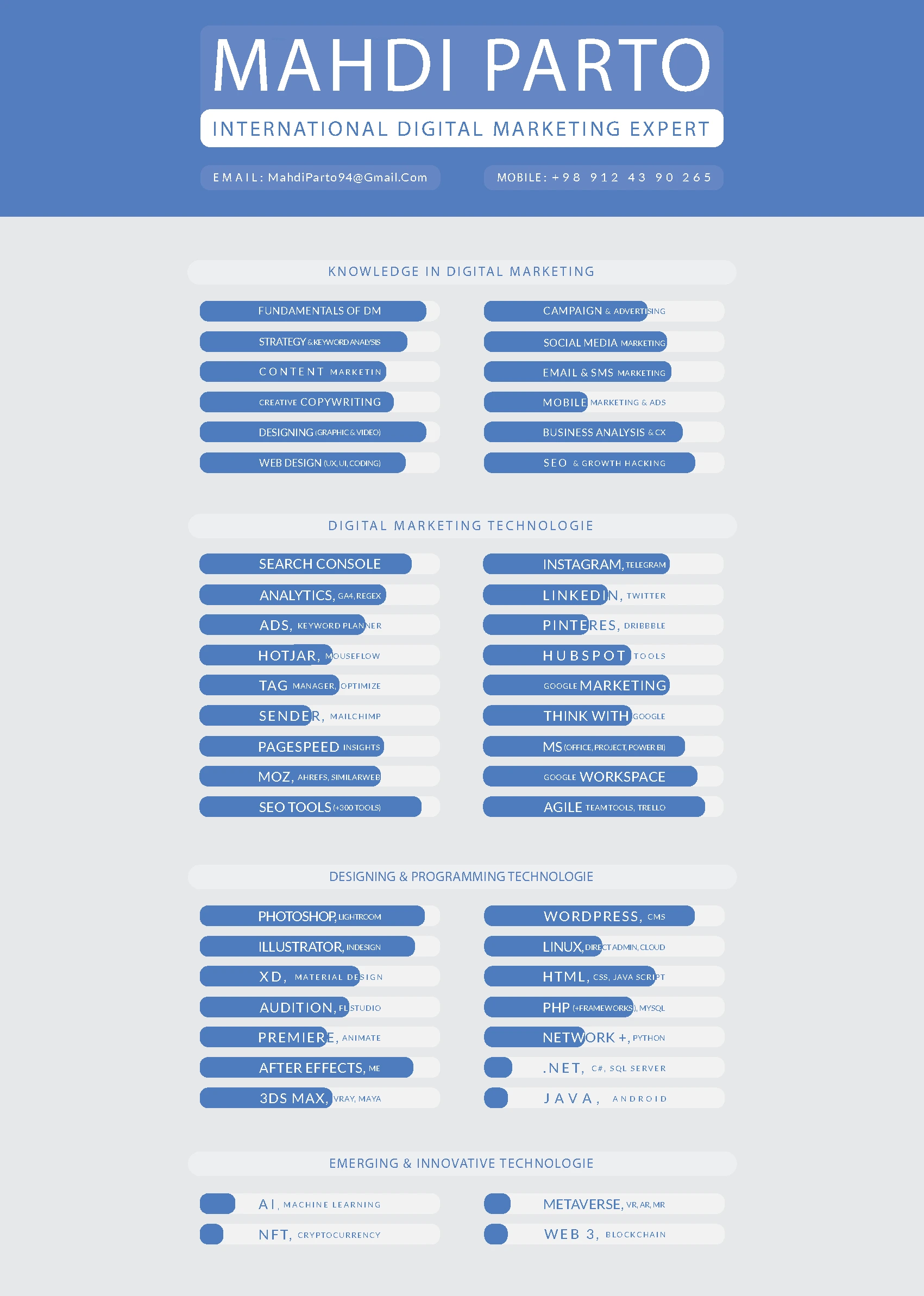
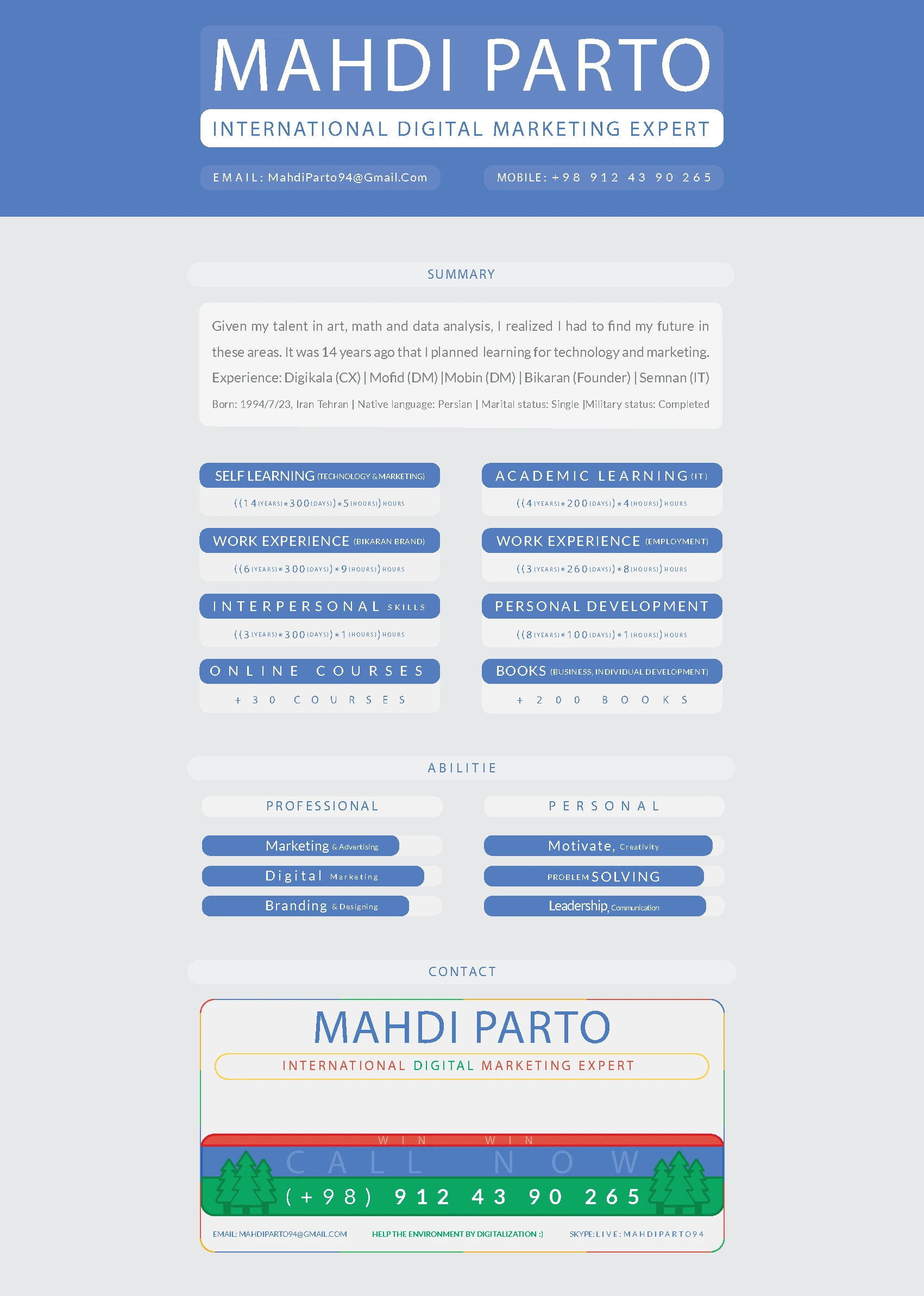




Your feedback
No feedback yet.
Write feedback